
Funding research to treat GM1 gangliosidosis
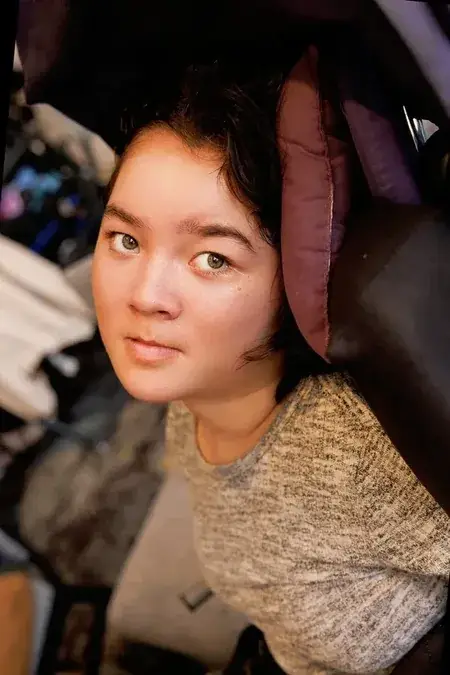
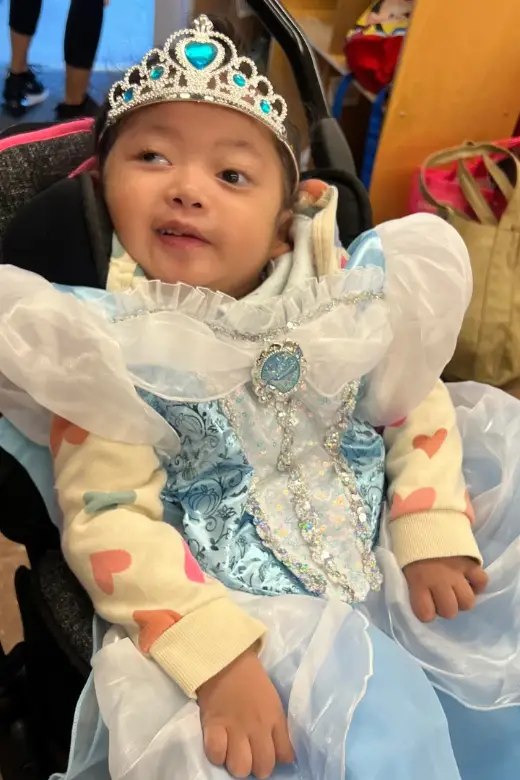
Iris was born healthy. She is 18 now. GM1 has taken almost everything.
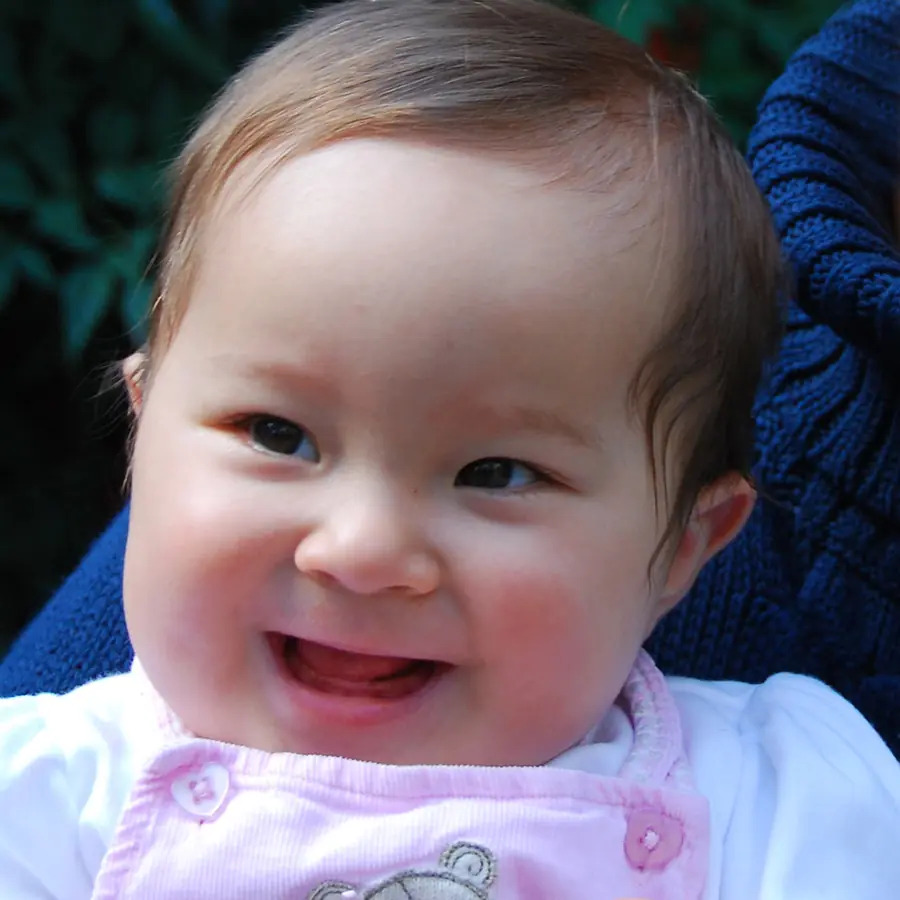

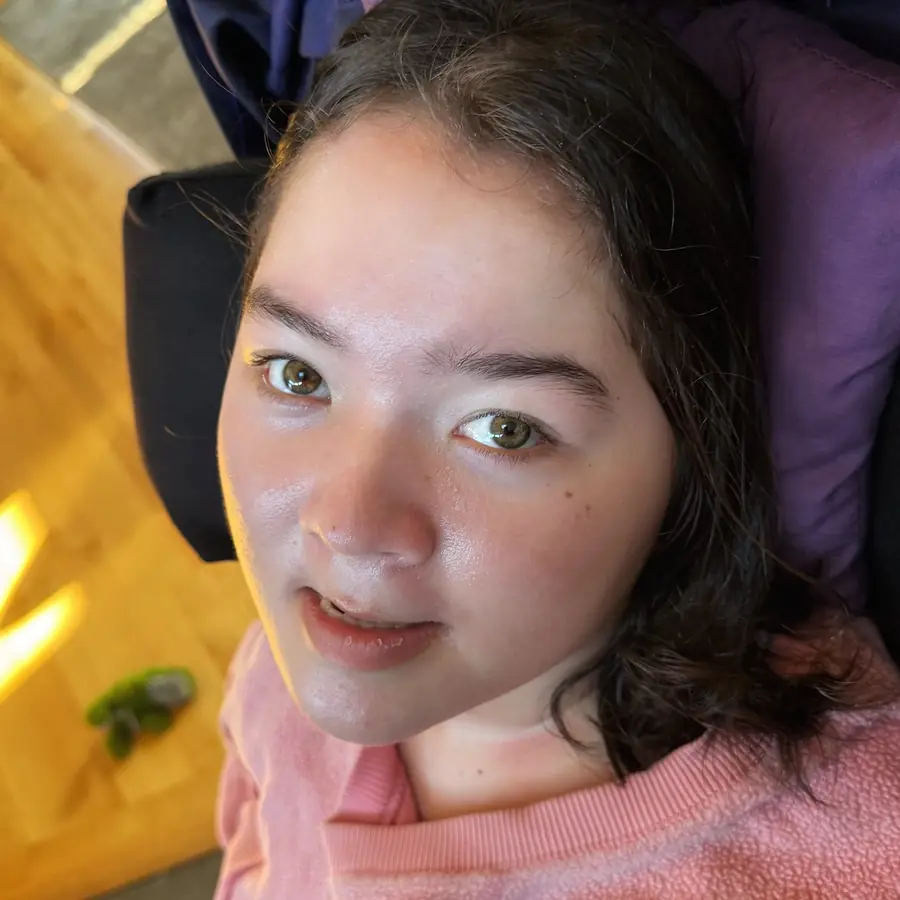
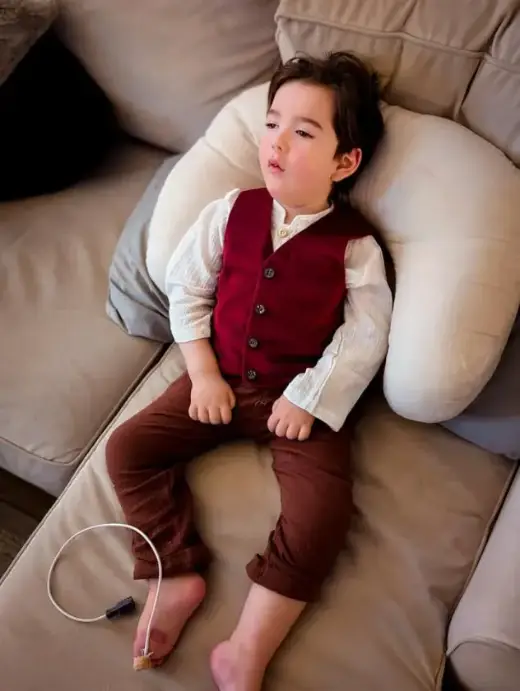
Children with GM1 are born healthy. Then, month by month, the disease takes their movement, their speech, and their ability to swallow. GM1 ultimately causes death. There is still no approved treatment.
For the first time, there are treatments in trials. They came too late for Iris. Let’s work together to ensure there is a brighter future and chances at life for all those suffering due to GM1.
Current campaign
Fund the enzyme replacement therapy project
Enzyme replacement therapy is a reliable and proven path to treatment for diseases like GM1. The current goal is to reach an investigational new drug application (IND). Every gift has the potential to yield significantly increased funding through grants and investors.
Approved treatments for GM1. There is still nothing a doctor can prescribe, and 95% of rare diseases are in the same position.
Clinical trials since Cure GM1 was founded. Before Cure GM1 existed, there were none.
Raised by Cure GM1 over eleven years, to build the groundwork every trial depends on.
Of the 10,000+ rare diseases have no treatments.
Ways to give
Your donation can be spent more than once.
We are building a venture philanthropy model, so that if research we funded leads to an approved treatment, a share of the proceeds comes back to Cure GM1 and funds the next project.
Donations are tax deductible in the USA. EIN 47-3154419.
Recurring
Give monthly, become a Cure GM1 Champion
Ongoing, recurring support that lets us plan and commit to research.
Start a monthly gift →In honor
Give in memory or tribute
Honor a loved one, mark a milestone, or ask for gifts in lieu of flowers. We will notify the family if you wish.
Make a tribute gift →Long term
Planned and legacy giving
Include Cure GM1 in your will or estate plan. A bequest extends hope for years.
Explore planned giving →More options
Other ways to give
PayPal Giving Fund, fee free, 100% reaches us, no PayPal account required. Bank transfer or crypto through Every.org. Or mail a check payable to Cure GM1 Foundation, PO Box 6890, Albany, CA 94706.
Where your money actually goes
A drug company will pay for the trial. Nobody will pay for what makes the trial possible.
Before any company will spend $100 million testing a treatment for GM1, someone has to prove the disease can be measured. That means natural history data, biomarkers, patient registries, and animal models. None of it produces a product, so no company funds it. And no trial can be designed without it.
That groundwork is what your donation buys. Over eleven years, Cure GM1 has raised ~$6.5M. GM1 went from zero clinical trials to five, drawing industry and government investment that had nowhere to land before the foundational work existed.
GM1 Matrix Patient Portal
Please join. We’re building natural history and real world data sets. Data support trial design and comparator arms. Without the necessary data, regulators recommend placebo-controlled trials.
Community events
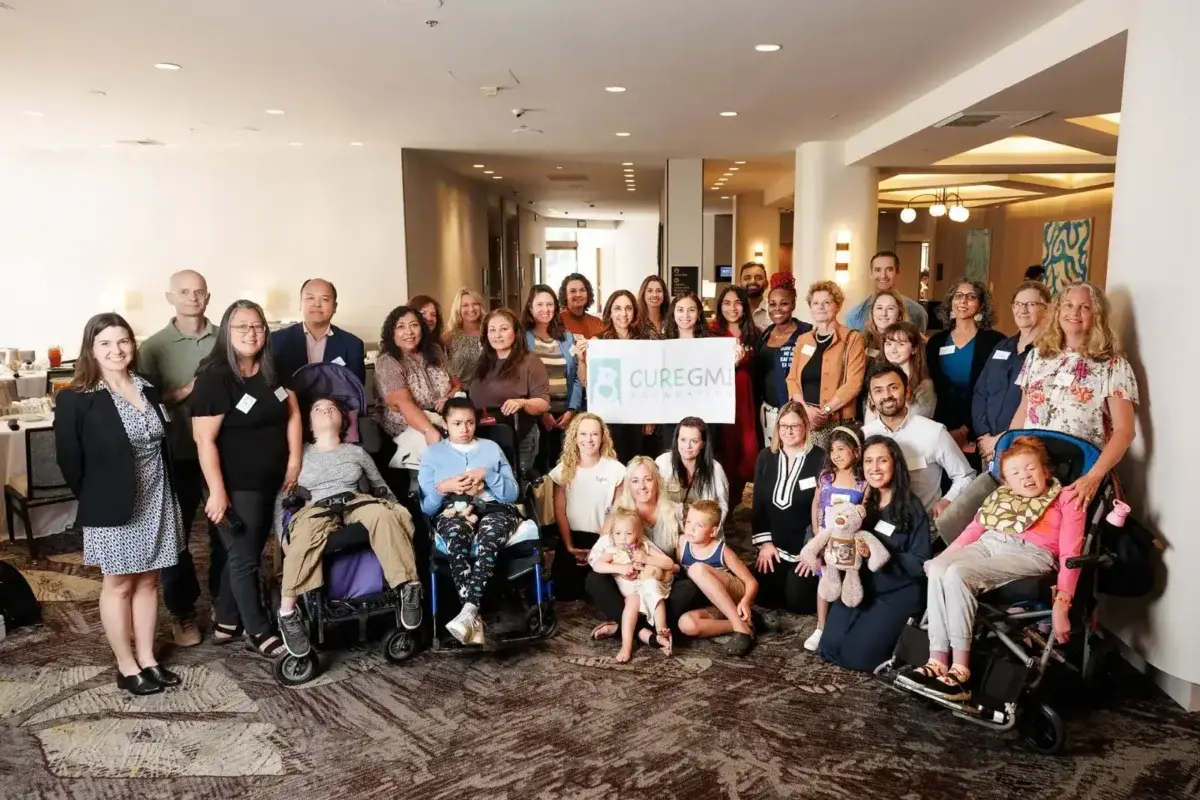
The annual conference brings together families, researchers and biotechs. GM1 Day on May 23 and Rare Disease Day in February build awareness and support, and help raise funds, that pay for this groundwork.
Increased awareness
Awareness helps drive earlier diagnoses. Advocacy keeps GM1 visible to biotechs deciding where to invest, and it shows regulators how severe the unmet need is for GM1.
Support for newborn screening
By the time symptoms appear, irreversible damage is done. Screening is public health infrastructure, and it is what makes early treatment possible at all. In a disease like GM1, early treatment is critical.
“I can’t overstate the importance of advocacy. We have to fight to get attention, to get money to fund the studies, to find more and more families that feel they’re living alone, so they can come together and be part of a community.”Caroline Hastings, MD UCSF
GM1 gangliosidosis
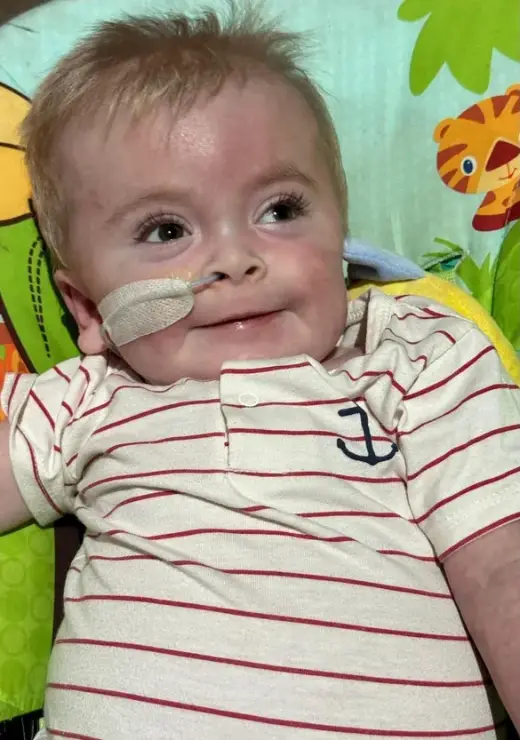
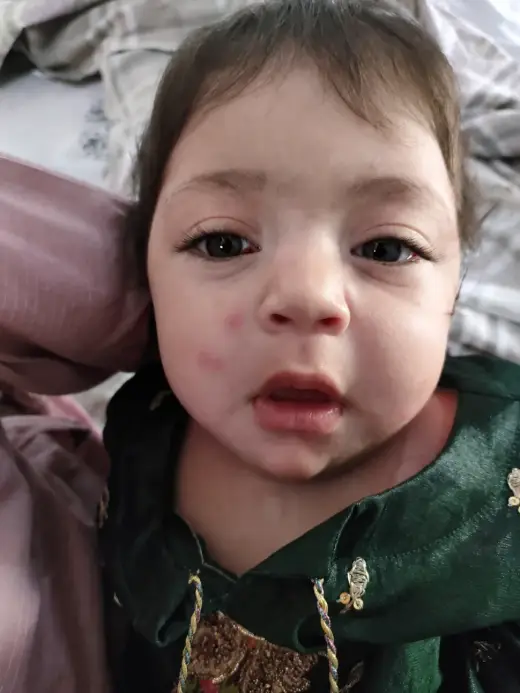
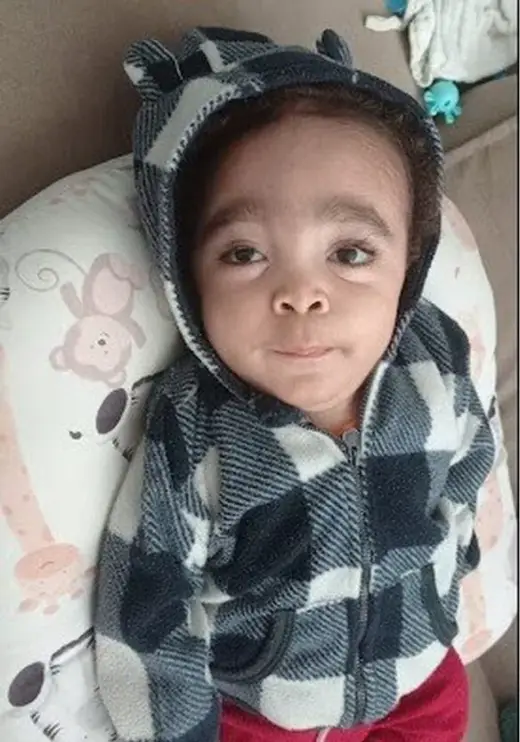
Community stories

Our trusted partners & awards
Take action and join us
Where do you fit?
Our work depends on families sharing their data, on volunteers, and on donors. Pick the path that sounds like you.
Affected by GM1
My family lives with GM1
Start with the people and tools built for families.
More for families
Ready to help
I want to help
Give, raise funds, or lend your voice. Every one moves research forward.
More ways to help
Follow the science
I want to follow the research
Trials, results, and plain language updates on GM1 science.
GM1 and rare disease community
Collaboration, advocacy and community are critical
Cure GM1 has been instrumental in helping build community and to structure meaningful projects and collaboration amongst stakeholders. Some highlights include the organization of a natural history data sharing effort, the development of a newborn screening assay, and interactions with the U.S. Food and Drug Administration, FDA.

“If I could change Clara’s future, I would. Nevertheless, I am forever grateful for the impact she has had on my life as well as countless others.”
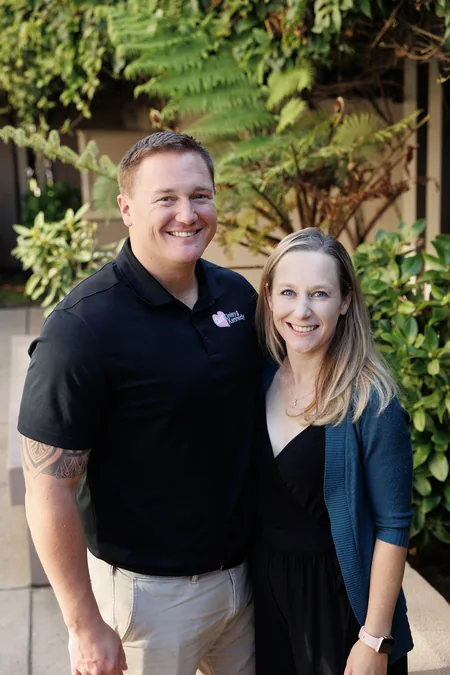
“People are telling us there’s nothing we can do for our daughters, we’re not accepting that. There is something we can do and that is to raise awareness and raise funding for them and for others.”
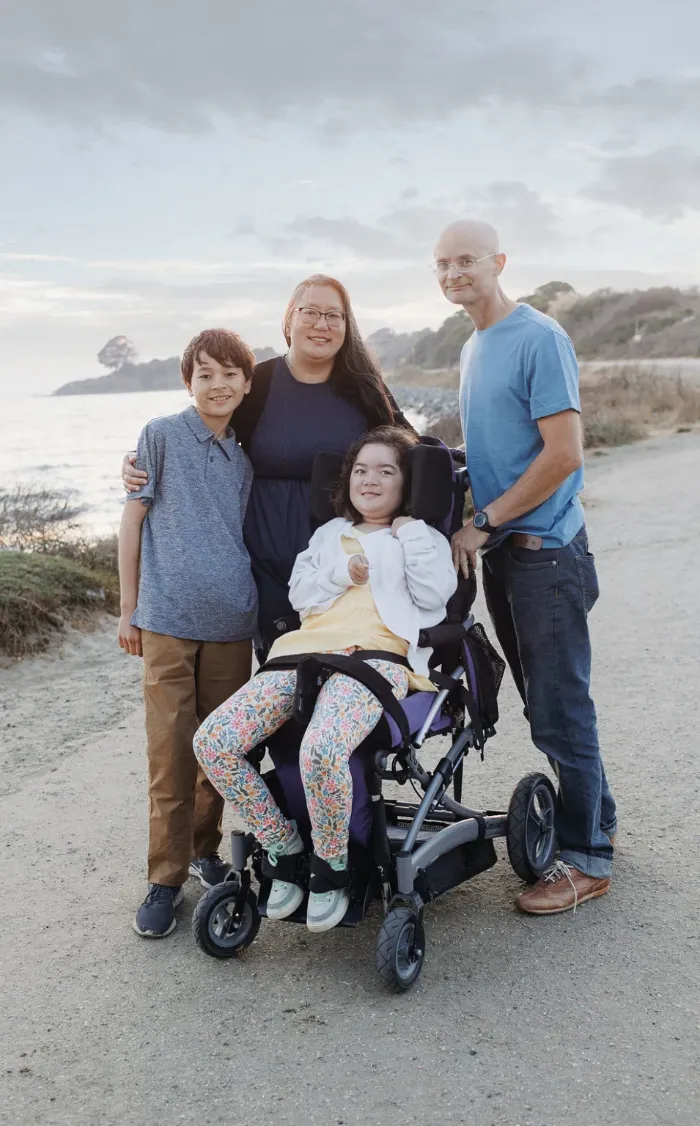
“Cure GM1 is laser-focused on creating a legacy of hope and change by navigating the many challenges of ultra-rare disease drug development and research.”
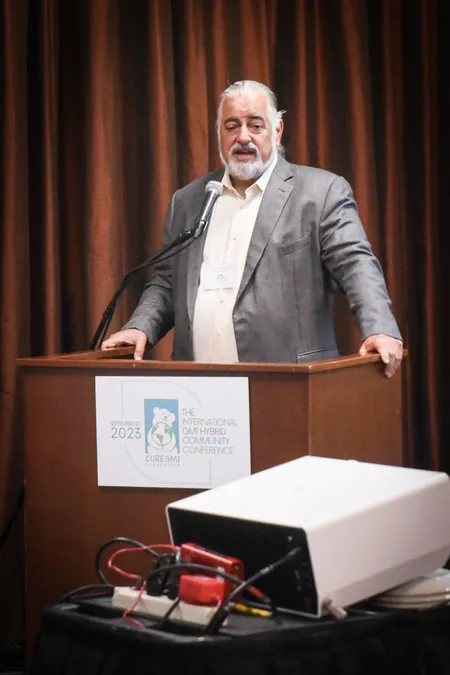
“I believe that GM1 is at a place where it can get treated. But you have to be vigilant and fight for support to ensure that the right things get done and that treatments become available.”
Why Cure GM1 exists
GM1 was identified in 1959. For fifty years, almost nothing happened.
GM1 gangliosidosis was first identified in 1959, yet for decades it lacked the research and advocacy it desperately needed. Children diagnosed with GM1 face a devastating prognosis, and their families have too often been left without hope.
Cure GM1 was founded to end that. Here is what eleven years of focused advocacy and funding have changed.
years of advocacy
babies identified in newborn screening
scientific publications
public mouse models
Why this work is urgent
145 years to get here. The next line is yours to write.
GM1 was described long before anyone could name it. Swipe through the moments that brought us to the edge of a treatment.
- 1881
A first case
A British eye doctor, Warren Tay, describes an infant losing neurological ability, with a cherry-red spot at the back of the eye.
- 1887
A family pattern
Bernard Sachs describes the same pattern in families. His label for these diseases will cover GM1 for nearly a century.
- 1935
Something builds up
Ernst Klenk identifies a class of lipids, gangliosides, stored at high levels in the brains of affected children.
- 1959
First doubts
Clinicians begin to see that the diseases filed under one name are not all the same disease.
- 1963
A name
Lars Svennerholm’s code for gangliosides gives GM1 its name.
- 1968
The proof
At UC San Diego, Shintaro Okada and John O’Brien publish the biochemical evidence that separates GM1 from Tay-Sachs.
- 11+
Years of Cure GM1 at work
Eleven years of advocacy and funding: 5 clinical trials, 11 scientific publications, 2 public mouse models, and 2 babies identified through newborn screening.
- Next
The first treatment
Enzyme replacement therapy is a reliable, proven path for diseases like GM1. Our goal is an investigational new drug application.


Before you give
Questions donors ask us
Straight answers, so you can give with confidence.
Is my gift tax deductible?
Yes. Cure GM1 Foundation is a 501(c)(3), EIN 47-3154419. Donations are tax deductible in the USA, and we send a receipt for your records when we have your contact information.
Where does my donation go?
Toward the groundwork no company will pay for: natural history data, biomarkers, patient registries and animal models, plus the awareness, community events and newborn screening work that keep GM1 visible to biotechs and regulators. Right now, the enzyme replacement therapy project has $2.3M invested toward a $10.3M goal to reach an IND.
Can I give every month?
Yes. Monthly gifts make you a Cure GM1 Champion. Predictable funding is what lets us commit to research that takes years. Start a monthly gift.
Can I give in memory or in honor of someone?
Yes. Honor a loved one, mark a milestone, or ask for gifts in lieu of flowers. We will notify the family if you wish. Make a tribute gift.
Can I avoid card fees?
Yes. Give through the PayPal Giving Fund, which is fee free, so 100% reaches us, and no PayPal account is required. You can also use bank transfer or crypto through Every.org, or mail a check payable to Cure GM1 Foundation, PO Box 6890, Albany, CA 94706.
Does my employer match gifts?
Your employer may match your gift. Ask your HR team or matching gift portal, and use our EIN, 47-3154419, to find us.
Can I leave a gift in my will?
Yes. A bequest extends hope for years. Explore planned giving.
Who can I ask?
Email info@curegm1.org or call 510-306-2460.
Be part of what happens next
Every gift pays for the groundwork that makes a treatment possible.
Mark your calendar: Rare Disease Day · last day of February GM1 Awareness Day · May 23 Do It for GM1 · Sept
 PLAY VIDEO